Credit banner picture: © CICR
WORM (Waste in humanitarian Operations: Reduction and Minimisation) is a project funded by the Horizon Europe programme (2024-2025) aimed at reducing the environmental impact of humanitarian operations. Through the design of guidelines and support actions for circular economy, WORM has reached significant results for the humanitarian sector.
Led by Hanken School of Economics in Helsinki (Finland), WORM brought together 16 partners from 11 countries, each bringing unique know-how.
While climate change contributes ever more to humanitarian crises, the responses to these crises can themselves generate negative environmental impacts. In this context, waste management becomes a central component of environmentally responsible action, but waste related challenges can arise at various stages of an operation. In line with the humanitarian logistics policy of the Directorate General for European Civil Protection and Humanitarian Aid Operations (DG ECHO), WORM contributes to tackling these challenges in field hospital deployments and livelihood programmes that include waste picking.
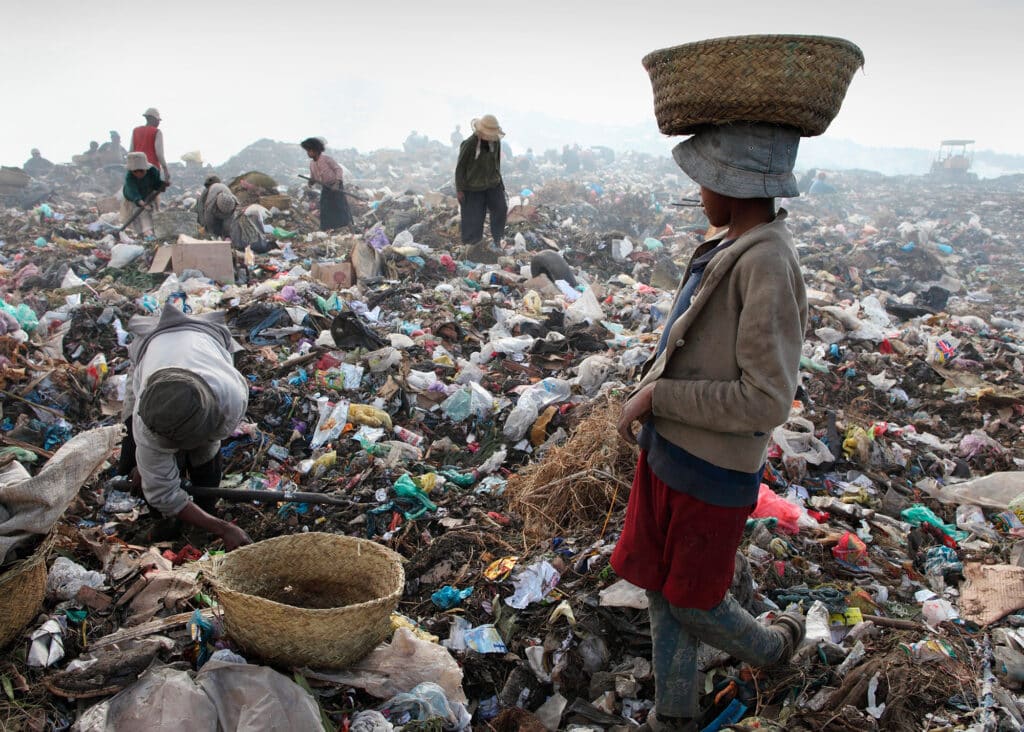
WORM successful achievements in greening the humanitarian sector
Throughout its 2-year duration, the project contributed to the following:
- Development of sustainable bio-based solutions and their applicable performance under humanitarian aid contexts
- Significant reduction and/or minimisation of waste in the environment.
- Campaigns to raise awareness of the local communities in different contexts in Kenya and Vietnam to address waste-related challenges.
- Concrete actions and guidelines, including policy recommendations for field hospitals & sustainable humanitarian livelihood programmes, medical waste management & sustainable procurement guidelines, local waste management business models, standard operational procedures for product use, reuse and recycling and for handover or recovery.
- And many deliverables and publications available in open access.
Euronovia’s involvement in the WORM project
As Work Package leader, Euronovia was responsible for communicating and disseminating the project activities and results. Over the two-year period, the following actions were carried out in this Work package:
- Creation of several supports (brochures, press releases, media press kits).
- Development and update of the project website and social media.
- Launch of the WORM Catalogue that provides key stakeholders with a transparent, knowledge-driven marketplace for bio-based products and alternatives.
- Organisation of 13 workshops and webinars, with 400 people reached.
- Production of 17 partners interviews and 9 promotional videos available on our Youtube channel.
- Engagement of more than 4 200 people through 4 targeted, community-based campaigns in Kenya and Vietnam. These campaigns aimed to advocate for, and raise awareness of, improved waste management practices in specific local contexts.
- Participation in 10 practitioner events, 7 academic conferences and 4 other events.
- The publication of 6 scientific articles, all available on Zenodo.
- A final event of the project organised at Hanken School of Economics in Finland gathering nearly 90 participants.
- The publication of 5 policy briefs.
- The creation of the WORM project profile on the European Innovation Partnership Agricultural Productivity and Sustainability (EIP-AGRI) database and the publication of 12 practice abstracts in the form of summaries for practitioners.
- The implementation of around 30 clustering activities with other projects and networks, including a strong cooperation with our sister project Bio4HUMAN.
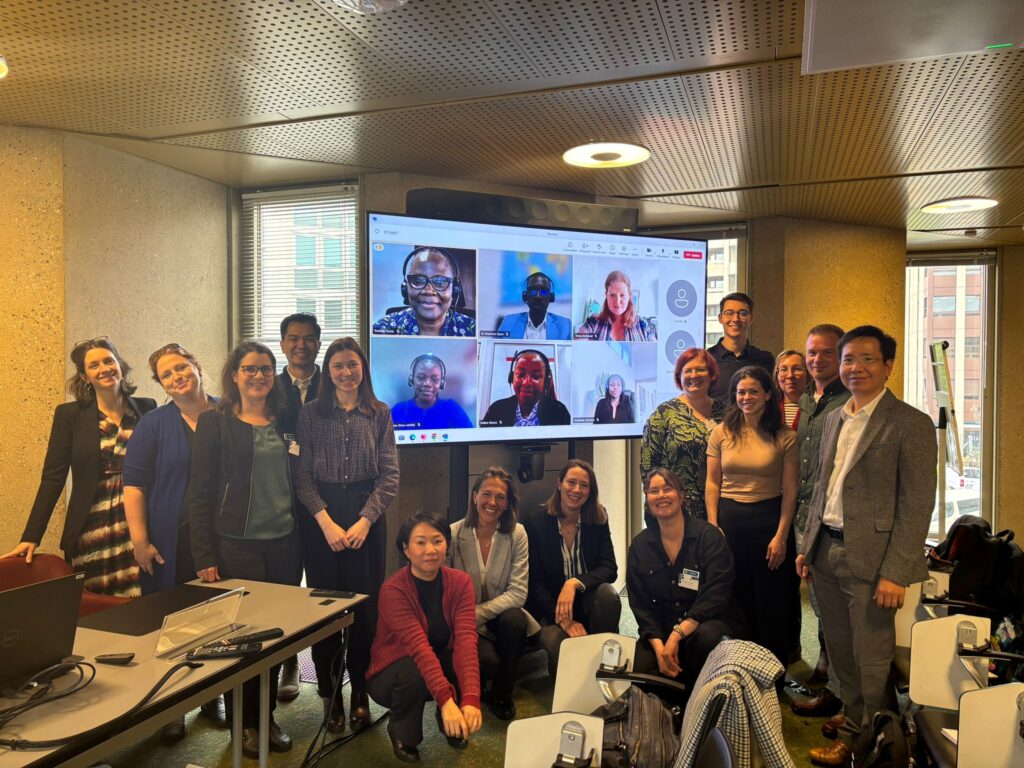
During the final event, the European Commission reported its success, a recognition of the strong collaboration, dedication, and teamwork that have defined WORM over the past two years.
Final Brochure
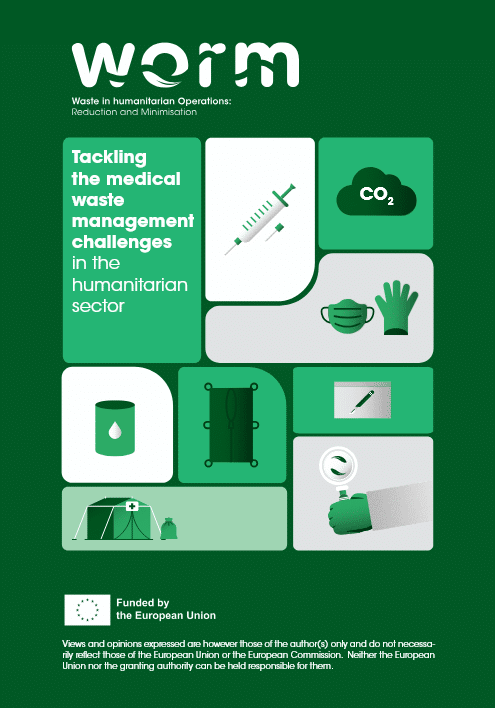
Final Media Press Kit
Discover all the projects that Euronovia is involved in on our dedicated page.